Winter Pipe Preparation for Burst Prevention in Carson, CA 90248
Cold Spots and Subfloor Risks During a Deep Freeze
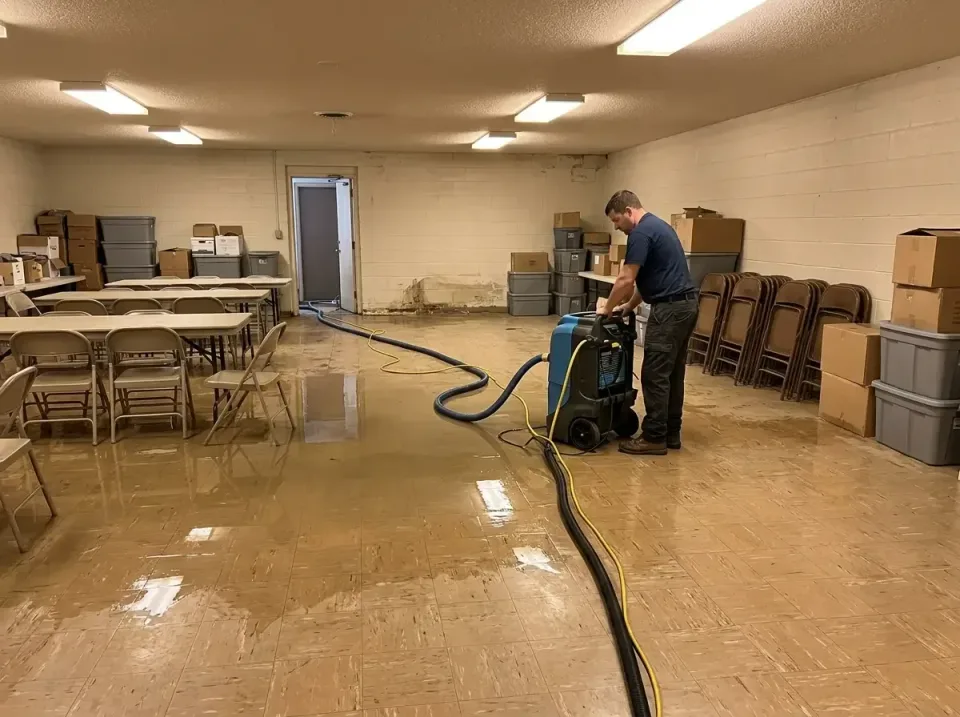
Cold spots around supply lines can trigger frozen pipe bursts, so insulate exposed piping, open cabinet doors, and keep indoor heat steady before a hard freeze. If water has already escaped, act quickly: subfloor injection can move drying air beneath affected flooring before swelling spreads. In Carson, California, that may mean checking crawl spaces, garages, exterior walls, and ceiling runs where insulation is thin. Soggy drywall bulging near baseboards is a warning that water has moved beyond the visible spill. Water Damage Pros handles emergency extraction and structural drying in Carson and across all service areas, using moisture readings to decide whether a pipe repair is enough or removal is needed.
Five Winter Pipe Checks for Carson Homes
-
Cold spots: Psychrometrics tracks how temperature and moisture reach equilibrium, helping identify pipe sections likely to freeze before a burst occurs.
-
Wall cavities: Cavity injection can dry trapped moisture behind baseboards without opening every section of otherwise sound drywall.
-
Moisture control: Evaporative load calculations show how much water must leave a room before equipment is sized correctly.
-
Humidity targets: Relative humidity setpoints help prevent condensation from returning after extraction; a reading alone does not prove the wall is dry.
-
Air movement: Air exchange rate balancing keeps drying air moving through the affected zone instead of pushing moisture into another room. Carson homeowners comparing regional restoration practices can review burst-pipe recovery guidance alongside their technician’s moisture map.
Start With the Pipe, Not the Puddle
A frozen line can split inside a wall before water appears on the floor. Shut off the main valve, stop electrical equipment near standing water, and arrange plumbing leak detection before beginning cleanup. Visible pooling on hardwood floors often understates the spread because capillary action pulls water into seams, baseboards, and insulation. A thermal imaging camera with a FLIR T-series lens can show temperature patterns that guide selective opening. That matters when the suspected break sits below cabinets, above a ceiling, or behind a finished wall. For a single-room release, a truck-mounted vacuum extractor with 150-gallon capacity can remove bulk water much faster than a household machine, but the remaining moisture still needs controlled drying. Before documenting an insurance claim, homeowners can compare water-damage documentation practices with the photo and measurement records requested by their carrier.
Protect Hardwood, Drywall, and Crawl Spaces
Warped cabinet doors or a musty odor from the crawl space means the response should cover more than the pipe fitting. Water Damage Pros separates wet materials from salvageable materials, then uses air movement, dehumidification, and targeted removal. An EPA-registered sanitization spray may be appropriate after cleaning, but disinfectant does not replace extraction or drying. Hardwood floor work requires special care because aggressive heat can worsen cupping; technicians check moisture patterns before sanding or replacing boards. Crawl space structural drying may require access through a small hatch, sealed vapor-barrier areas, and careful routing of hoses. If saturated insulation or contaminated debris is present, disposal must follow the applicable local handling rules rather than being placed with ordinary household trash.
Manage Air, Humidity, and Safety
The drying plan should be based on readings, not the number of fans in the room. Technicians compare temperature, humidity, and material moisture while adjusting the evaporative load and equipment placement. An LGR dehumidifier can remove moisture from the air while air movers expose wet surfaces, but closed-room drying is usually more predictable than leaving doors and windows open during a cold snap. Maintain six feet of clearance around drying machines, post warning signs near active electrical circuits, and follow OSHA 1926.40 electrical safety practices during flooding. FEMA documentation can help organize dated photos, damaged-material lists, and receipts for an insurance claim. If ceiling plaster continues dripping or the wall remains cold after visible water is gone, Water Damage Pros can inspect the cavity before hidden moisture creates a larger repair.
Choosing Equipment for a Winter Burst Response
The right option depends on the amount of water, the material affected, and whether moisture is hidden. A DIY wet vac may handle a small clean-water spill, but the difference between that tool and a truck mount can be 150 gallons of capacity. A moisture meter probe reaching 1/8 inch helps check surface conditions, though deeper wall or floor moisture needs additional testing. During attic ceiling water removal, the goal is often drywall patch preparation rather than simply drying the paint surface. A contractor may use mold containment with negative air pressure when demolition could spread contaminated dust. Before a major extraction, regional restoration equipment guidance can help explain why professional equipment is selected.
| Option | Best for | Key detail |
|---|---|---|
| Household wet vac | Small clean-water spill | Limited reach and capacity |
| Truck-mounted extraction | Broad floor saturation | 150-gallon difference from DIY equipment |
| Air mover setup | Exposed flooring and walls | Each unit uses an 18x18-inch footprint |
| Controlled containment | Suspected mold or contaminated demolition | Negative air pressure limits spread |
Six Steps Before Winter Extraction Begins
-
Shut off water: Close the main valve before equipment deployment and keep people away from energized wet areas.
-
Confirm access: Provide the access gate code at least 2 hours before arrival so equipment can reach the affected room.
-
Stage safely: Reserve a driveway pad for equipment staging and keep a 20-amp dedicated circuit available for drying machines.
-
Check drainage: Identify the nearest utility sink as the drain connection point before pumping begins.
-
Record conditions: Document initial readings, photographs, and visible damage before moving furniture or removing materials.
-
Control the work zone: Maintain six feet around machines and post warning signs near active electrical circuits. For multi-family apartment complexes, a unit-by-unit restoration plan keeps adjacent residents and crews out of wet work areas.
Winter Burst Cleanup Cost Ranges
Winter preparation may cost less than emergency removal, but the final scope depends on access and how far moisture traveled. Typical reference ranges include:
-
Crawl space moisture control: $800–$2,200 for vapor-barrier installation and sealing.
-
Hardwood floor cupping repair: $1,500–$4,000 for subfloor drying and sanding.
-
Commercial unit extraction: $2,500–$8,000 for industrial extractors and after-hours labor.
-
Basement flood drying: $1,200–$3,500 when dehumidifier runtime and carpet removal are required.
A 4-foot standard drywall cut height can affect demolition and replacement quantities. Drying verification may follow IICRC S500 guidance, which sets a 40 percent final humidity target for the listed scenario. Carson pricing can differ from other regions because labor, disposal, access, and local fees change the estimate. Final pricing varies by saturation depth, access limits, and local fees.
A Moisture Reading Beats a Warm Wall
A room can feel warm while the wall core remains wet. Use structural drying pattern layout to move air across the affected materials, then confirm progress with thermal imaging and moisture content percentage readings rather than relying on touch.
LGR desiccants help control dehumidifier operation when the room has a high moisture load, but commercial air movers require 110-volt dedicated circuits. Capillary action can carry water upward into drywall well above the visible stain, so stopping when the floor looks dry is a common source of repeat damage.
Common mistake: Turning on high heat without measuring moisture can dry the surface while leaving a damp cavity behind it.
A Safer Next Step After a Frozen Pipe
Preventive checks should focus on cold pipe runs, cabinet voids, crawl spaces, and ceiling lines rather than only the visible floor. Unexplained high water utility bills can signal a slow leak before a freeze, while dripping sounds inside ceiling plaster call for inspection before the ceiling is opened. In Carson, a basement sump pump may handle 3000 gallons per hour, but pump capacity does not remove moisture trapped in walls or flooring. Water Damage Pros can coordinate extraction, moisture testing, and drywall replacement after the substrate is verified moisture-free. If a burst has already occurred, call (833) 710-2743 with the shutoff status, affected rooms, and any electrical hazards so the next step can be planned safely.
Frequently Asked Questions
Can Emergency Burst Pipe Water Extraction remove water from hardwood floors after cold spots trigger a burst?
How quickly should Crawl Space Water Removal and Structural Drying start after a winter pipe leak?
What should I do if Ceiling Water Extraction finds dripping sounds inside ceiling plaster?
Is a wet vac enough for Residential Burst Pipe Extraction in one room?
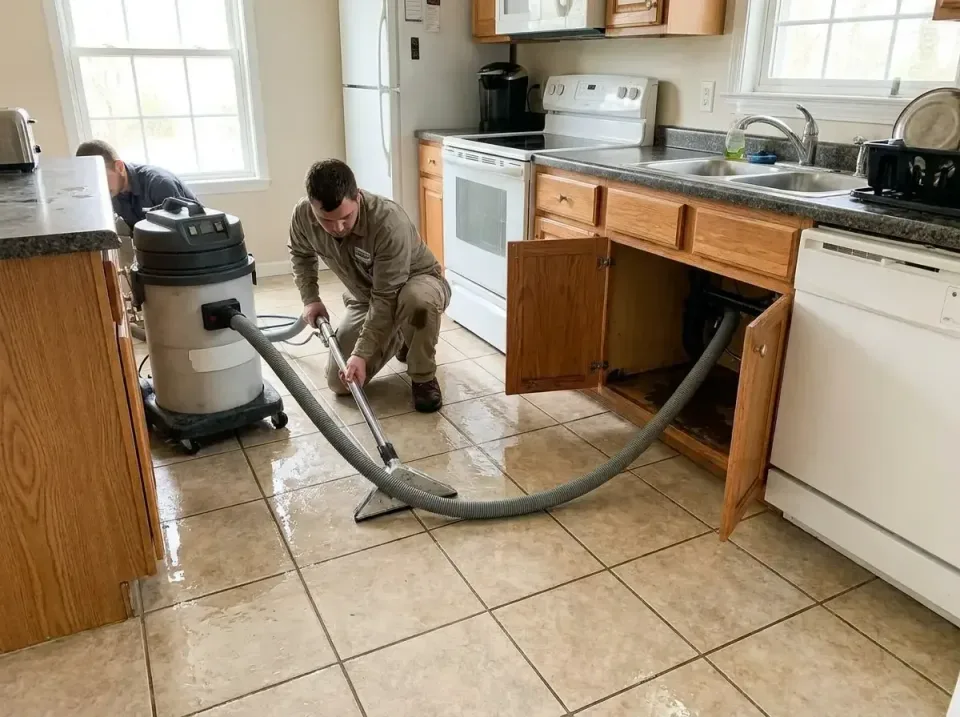
Who should handle Kitchen and Bathroom Pipe Burst Water Removal when cabinets are swollen?
Explore All Services
Browse all nationwide service options and choose the right fit for your project.
Homeowners and property managers book Carson frozen pipe burst removal for standing water, wet walls, floors, and structural drying.
Call NowHomeowners, contractors, and property managers book Carson basement flood extraction, carpet removal, and structural drying.
Call NowHomeowners, contractors, and property managers book Carson crawl space water removal, moisture mapping, vapor barriers, and structural drying.
Call NowHomeowners, contractors, and property managers book Carson ceiling extraction for wet drywall removal and structural drying.
Call NowHomeowners, property managers, and contractors book Carson carpet extraction to remove water, protect padding, and dry affected floors.
Call NowHomeowners, contractors, and property managers book Carson hardwood extraction to dry planks, subfloors, and surrounding materials.
Call NowCarson homeowners, contractors, and property managers book attic water extraction, insulation drying, and ceiling damage preparation.
Call NowHomeowners, contractors, and property managers book Carson wall cavity extraction to remove hidden moisture and dry framing safely.
Call NowCarson homeowners, contractors, and property managers book targeted subfloor extraction, moisture mapping, and structural drying.
Call NowLocal slab leak water extraction & drying for Carson with clear pricing drivers, weight limits, and scheduling you can plan around.
Call NowCommercial pipe burst extraction for property managers, contractors, and facility teams in Carson.
Call NowHomeowners in Carson book residential burst pipe removal for flooded floors, wet walls, ceilings, and hidden structural moisture.
Call NowCarson homeowners, property managers, and contractors book emergency extraction for flooded rooms, floors, walls, and ceilings.
Call NowHomeowners and property managers book Carson mold-prevention drying to remove hidden pipe-burst moisture before growth starts.
Call NowHomeowners, contractors, and property managers book Carson cabinet and baseboard moisture removal after leaks or burst pipes.
Call NowHomeowners, contractors, and property managers book Carson structural drying for wet walls, floors, ceilings, and crawl spaces.
Call NowCarson homeowners, contractors, and property managers book duct moisture extraction, drying, and HVAC cleaning after water damage.
Call NowHomeowners, contractors, and property managers book Carson leak tracing, valve shut-off, and moisture checks before water damage spreads.
Call NowHomeowners and property managers book Carson sump pump failure extraction for flooded basements, crawl spaces, and damaged flooring.
Call NowHomeowners, contractors, and property managers book Carson claim documentation with detailed photos, moisture readings, and scope notes.
Call NowHomeowners, contractors, and property managers book Carson kitchen and bathroom burst-pipe extraction for cabinets, floors, walls, and ceilings.
Call NowHomeowners, property managers, and contractors book Carson multi-story extraction for connected floor and ceiling water damage.
Call NowHomeowners, contractors, and property managers book Carson wood floor cupping extraction for wet boards and damp subfloors.
Call NowHomeowners, contractors, and property managers book Carson air movers and dehumidifiers for controlled structural drying.
Call NowBrowse by State
Select your region to see local emergency burst pipe water extraction & removal providers and cities we cover.
Need Nationwide Emergency Burst Pipe Water Extraction & Removal?
We connect you with trusted local providers in your state or city. Call or email us today.